







Search Results for: causes of alcoholic taste

Where Does the Wine Aroma in Coffee Come From? Does Single-Origin Black Coffee Contain Alcohol? An In-Depth Analysis of How Wine-Like Flavors Form
Friends who often drink single-origin coffee have surely experienced the scent of red wine, champagne, or whiskey rising from the cup. These boozy aromas are already commonplace in specialty coffee. But many people new to coffee worry: after drinking a cup of coffee with a strong wine flavor, can I still drive? The answer is that there is no need to worry—pure single-origin black coffee contains no alcohol. So where exactly does this wine aroma come from? In fact, it follows the same logic as strawberry flavor coming from strawberry aroma and orange flavor coming from orange aroma—after roasting, coffee beans generate certain aroma compounds identical to those found in alcoholic beverages, and together with the assistance of taste and mouthfeel, this creates a wine association in our minds. It is worth noting that not every coffee can present a wine aroma; this is closely related to the coffee's growing environment, varietal genetics, and subsequent processing methods. This article will systematically sort out the ins and outs of wine-like flavors in coffee, from the causes of the aroma to the factors of cultivation and processing. [more…]
Does oak barrel fermented coffee contain alcohol? Will drinking whiskey barrel processed beans cause a positive drunk driving test?
In recent years, barrel-fermented coffee has attracted many enthusiasts with its rich wine aroma, but many people are concerned about whether this type of bean contains alcohol and whether drinking it could lead to being deemed guilty of drunk driving. This article starts from the process of Front Street Coffee's whiskey barrel treatment method, sorts out its differences from traditional washed, natural, and honey processing, and explains in detail the specific steps of oak barrel fermentation in the Marcala region of Honduras—including washing to remove pectin, drying and sun-drying, selecting 7 mm beans, and placing them in rum barrels to soak for about three months. The article also gives a clear conclusion: coffee beans processed this way do not contain alcohol, so there is no need to worry about drunk driving, and it introduces the flavor characteristics of Front Street Coffee's Honduras barrel-fermented coffee and the sharing purpose behind its price. [more…]
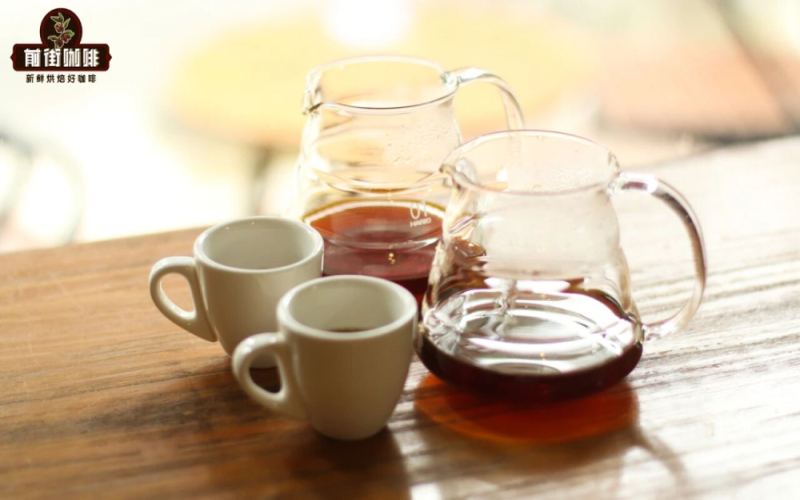
Where do the red wine and whiskey aromas in coffee come from? How do cold brew, ice drip, and iced coffee present fruit wine flavors
In coffee flavor descriptions, wine-inspired terms such as red wine, champagne, and whiskey are common, and many consumers wonder: does coffee contain alcohol? Can you drive after drinking it? In fact, these wine-like aromas come from the aromatic molecules in the coffee itself, not from added alcohol. From the perspective of Front Street, this article systematically sorts out the sources of wine-like aromas in coffee, focusing on the effects of processing methods, roast level, and extraction method on the expression of wine-like aromas, and explains why cold brew, ice drip, and iced brewed coffee can present fruity wine flavors. At the same time, readers are reminded to distinguish between black coffee and specialty coffee drinks, to avoid the risk of drunk driving caused by alcohol contained in specialty coffee drinks. [more…]
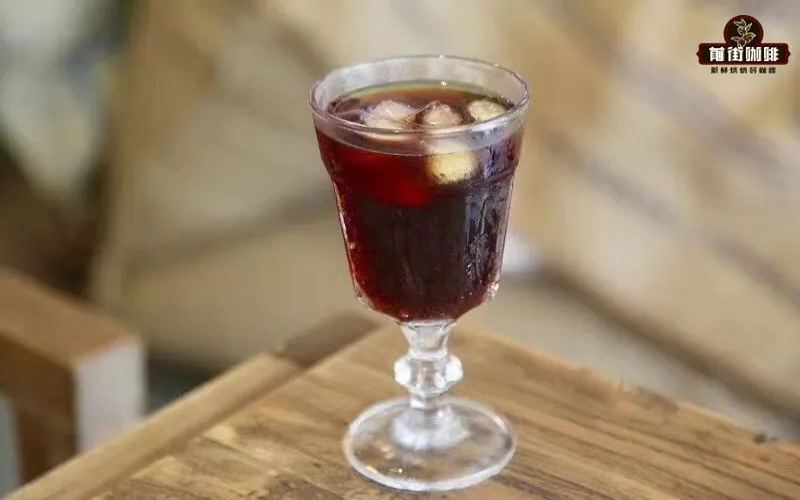
Why Does Cold Brew Coffee Emit a Wine Aroma and Wine-Like Character? Analyzing the Flavor Formation in Low-Temperature Extraction and Aging
Many coffee enthusiasts, when tasting ice drip coffee, are surprised by its faint, elusive notes of wine aroma and character, even wondering if alcohol has been added, or if the coffee beans themselves carry a wine-like flavor. In fact, this unique flavor does not come from any added ingredient, but is closely related to the special way ice drip coffee is made. Freshly dripped ice drip coffee is actually thin in flavor and can even taste astringent; it needs to undergo sealed low-temperature aging to become mellow and layered. This article, drawing on Front Street Coffee's practical experience, will analyze the principles behind how the wine-like flavor of ice drip coffee forms, explain how low-temperature extraction inhibits bacterial growth, and why sealed refrigerated aging can produce a fermentation aroma similar to alcohol. It will also compare the uncontrollability of natural fermentation in hot-brewed coffee, helping readers understand how each step in making ice drip coffee affects the final flavor. [more…]

Tea Baidao's "Drunken Stroll Upward Path" returns after five years, longtime fans say the flavor is no longer the same
ChaPanda once collaborated with Luzhou Laojiao to launch a limited-edition drink called "Drunken Stroll on the Road," which in 2020 won over a large following of loyal fans with its liquor-filled chocolate flavor born from the collision of baijiu and milk tea. Five years later, this star product that so many people could not forget has finally returned to the shelves. However, its reputation after the comeback has been sharply divided: those who love to drink can't get enough of it, while consumers who don't drink often complain that the alcohol taste is harsh and the heady buzz is obvious. What disappoints longtime fans even more is that many feel the new version's taste is far from the untouchable ideal in their memory, and some even suspect the formula has been quietly adjusted. Is it a change in ingredients, a shift in taste, or the work of nostalgic rose-colored glasses? This article will take you through an in-depth look. [more…]

How to Reheat Cold Coffee Without Ruining Its Flavor? A Taste-Test Comparison of Pour-Over Coffee Heated on an Electric Stove vs. an Alcohol Lamp
A cup of pour-over coffee, from steaming hot to completely cold, undergoes irreversible changes in both aroma and taste. When the coffee drops to room temperature, most of those pleasant aromatic compounds present at high temperatures have long since dissipated, so it naturally tastes much flatter. Since the flavor cannot truly be "revived," our next-best goal is to lock in as much of the remaining aroma as possible, so that the rewarmed coffee is at least not unpleasant to drink. Front Street tested two heating methods—an electric hot plate and an alcohol lamp—raising two pots of coffee, Butterfly and Typica, from room temperature to 50°C, recording the tasting impressions one by one, in an attempt to find a heating approach that balances drinkability and flavor retention. The following presents the complete comparison process and conclusions, along with other rewarming ideas worth trying. [more…]
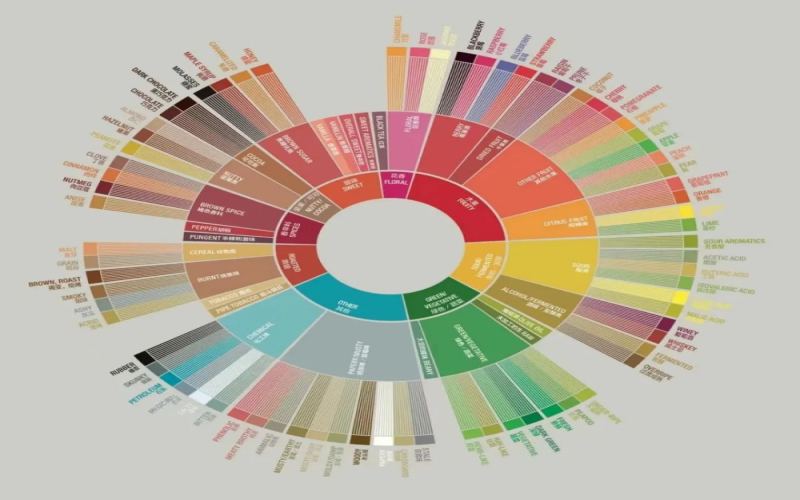
Why Does Light Roast Coffee Always Seem to Have Citrus Notes? Breaking Down the Flavor Causes from Aroma Compounds and Sensory Distinctiveness
When browsing e-commerce platforms, it's not hard to notice that most lightly roasted beans with conventional processing methods almost always have the word "orange" somewhere in their flavor tags. Even if the first two descriptors mention floral notes or berries, a citrus note is often tacked on at the end. This phenomenon is no accident—citrus's widespread recognition, the penetrating power of its peel aroma, and the combination of specific alcohols, aldehydes, and esters in lightly roasted beans all contribute to this flavor's ubiquity. This article will explain, from the two dimensions of aroma chemistry and sensory perception, why lightly roasted coffee always evokes citrus, and touch on how other fruit flavors differ in the cup. [more…]
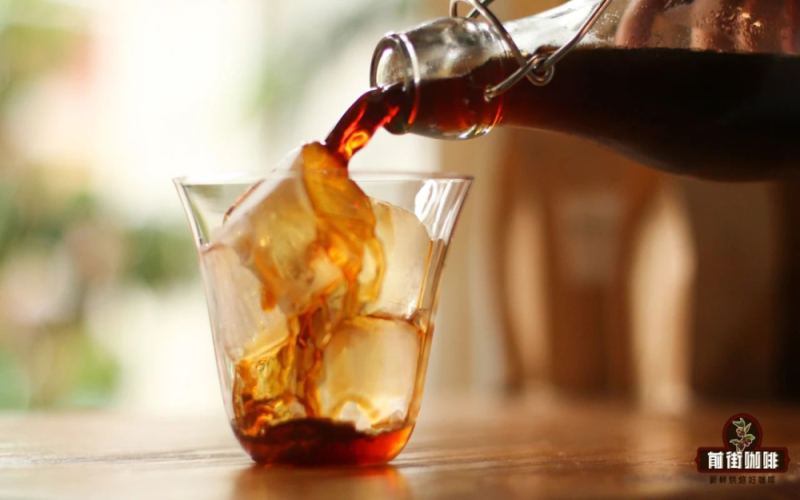
The Alcoholic Aroma Secrets of Ice Drip Coffee: A Detailed Guide to Cold Brew Grind Ratio, Drip Parameters, and Low-Temperature Aging Process
The rich, lingering fermented wine aroma of cold brew coffee often leads people to mistakenly believe that alcohol has been added to it, but this is not the case. The source of this unique flavor is closely related to the cold brew extraction method and the subsequent low-temperature aging process. Front Street Coffee will guide you through the cold brew coffee-making process: from key parameters such as the coffee-to-water ratio and drip speed, to why it cannot be drunk immediately after extraction, how low-temperature aging gives coffee its wine aroma, and the precautions to take during preparation and storage. If you also want to recreate at home a cup of clean, smooth cold brew interwoven with fruity and wine aromas, you might as well follow Front Street's approach step by step, from bean selection to aging. [more…]
Cold Brew Iced Coffee Ratio and Coffee Bean Selection Guide, with Creative Cold Brew Specialty Drink Ideas
Cold brew coffee, through its low-temperature slow extraction process, presents a smoother mouthfeel with less bitterness than hot extraction, making it the most convenient coffee choice in a busy life. This article provides a detailed analysis of the definition, flavor characteristics, and brewing ratios of cold brew coffee, and recommends coffee beans suitable for cold brew based on different origins and processing methods, including Front Street Coffee's Yirgacheffe Gidding, Honduras Sherry and Lychee Orchid, and Panama Butterfly. In addition, it shares three creative specialty drink methods: adding sparkling water, adding milk, and adding alcohol, to help you find the cold brew solution that best suits your taste. [more…]
Siphon Coffee Brewing Principles | How to Make Delicious Siphon Coffee? Which Coffee Beans Are Suitable for Siphon Brewing?
In many people's minds, siphon coffee makers have a unique shape akin to chemical apparatus, and they always appear in period films and TV works, giving people a sense of mystery. As a practitioner in the coffee industry, Front Street Coffee naturally values most the use of the siphon brewer and the flavor characteristics of the coffee it brews. Hong [more…]
What beans to choose for Starbucks cold brew? Front Street analyzes Yunnan cold brew coffee bean flavors and specialty stories
Cold brew coffee, with its smooth mouthfeel and low bitterness brought by low-temperature long-time extraction, has become a favorite of many coffee lovers. The cold brew series once launched by Starbucks made this trend sweep the whole country. So, which type of coffee beans should be chosen for making cold brew? Front Street Coffee recommends sun-dried, washed, or specially processed beans, and takes Yirgacheffe Gudingding and Panama Butterfly as examples to show the flavor performance of different producing regions. This article will also share creative drinking methods such as adding sparkling water, milk, or alcohol, as well as a hands-on experience of making cold brew with room-temperature water, to give you a comprehensive understanding of the charm and key points of making cold brew coffee. [more…]
An Analysis of Mexican Specialty Coffee Regions, Varieties, Cultivation, and Market Prices: A Brief Introduction to Flavor Characteristics and Brewing Methods
Mexico is a major coffee-exporting country, shipping about 70 percent of its beans to the United States, mostly for use as industrial-grade coffee. Despite favorable conditions such as high altitude, volcanic soil, and a suitable climate, Mexican coffee has long lacked a presence on the international specialty coffee stage. This article reviews Mexico's main coffee-producing regions, varieties, grading system, flavor characteristics, and market positioning, and introduces two classic ways of preparing Mexican coffee—one with alcohol and one without. It also retains Front Street Coffee's recommendations and product information for Mexican coffee, helping coffee lovers gain a comprehensive understanding of this underrated producing country. [more…]
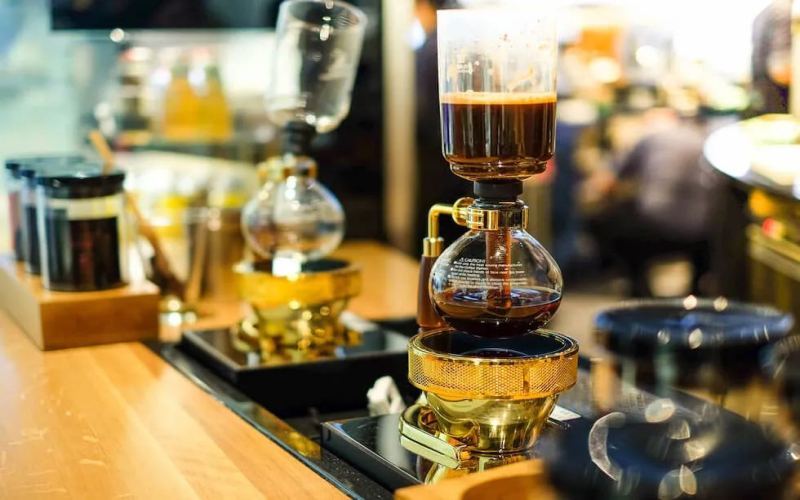
The Complete Guide to Siphon Coffee: From Construction and Principles to Brewing Parameters, Cloth Filter Maintenance, and Bean Selection
The siphon coffee maker, also known as the syphon, originated in Germany. It relies on heating the lower chamber to create pressure that pushes hot water up to the upper chamber to complete extraction. It is very popular in Japan and has gradually become popular in China. Its shape resembles chemical apparatus, often appearing in nostalgic films and TV shows, and it carries a mysterious aura. From the professional perspective of Front Street, this article systematically sorts out the upper chamber, lower chamber, and stand structure of the siphon, analyzes the pressure-difference extraction principle, introduces three heat sources—alcohol lamp, gas burner, and halogen lamp—as well as the trade-offs between flannel filter cloth and round filter paper. Then, taking Front Street Brazil Queen Estate beans roasted in-house as an example, it provides parameters such as a water temperature of 88°C, 18 grams of coffee powder, and a 1:10 coffee-to-water ratio, along with a six-step operating process, and explains filter cloth cleaning and storage as well as suitable coffee bean types. [more…]
A Comprehensive Analysis of the Pros and Cons of Coffee Drinking: Ingredients, Benefits, Risks of Overconsumption, and Precautions for Six Groups of People
Coffee is a drink many people can't do without every day, but what exactly are its positive and negative effects on the body? This article starts with coffee's main components, systematically sorting out the effects of substances such as caffeine, tannic acid, fat, and sugar, then separately explains the benefits of drinking coffee in moderation, including refreshing the mind, protecting the skin, sobering up, and preventing gallstones, while also discussing problems that may be caused by excessive intake, such as caffeine poisoning, insomnia, and anxiety. The article also specifically lists six groups of people who should not drink much coffee, and gives reminders about drinking on an empty stomach and for people with high blood pressure. If you care about the relationship between coffee and health, this content can serve as a fairly complete reference. [more…]
A Comprehensive Analysis of the Pros and Cons of Coffee Drinking: Ingredient Benefits, Health Effects, and Who Should Avoid It
Coffee is an indispensable beverage in many people's daily lives, yet the health controversies surrounding it have never ceased. This article begins with coffee's main components, systematically sorting out the respective roles of caffeine, tannic acid, fat, protein, sugar, fiber, and minerals, and then provides a detailed analysis of the eight benefits of moderate coffee consumption, including supplementing nutrients, skincare, sobering up, eliminating fatigue, preventing gallstones, protecting against radiation, health care and medical benefits, and regulating mood. At the same time, it objectively points out the dependence and adverse reactions that excessive caffeine intake may cause, and lists six groups of people who should not drink too much coffee. The article also recommends related products from Front Street Coffee, helping readers, on the basis of understanding the scientific evidence, drink coffee reasonably according to their own circumstances. [more…]
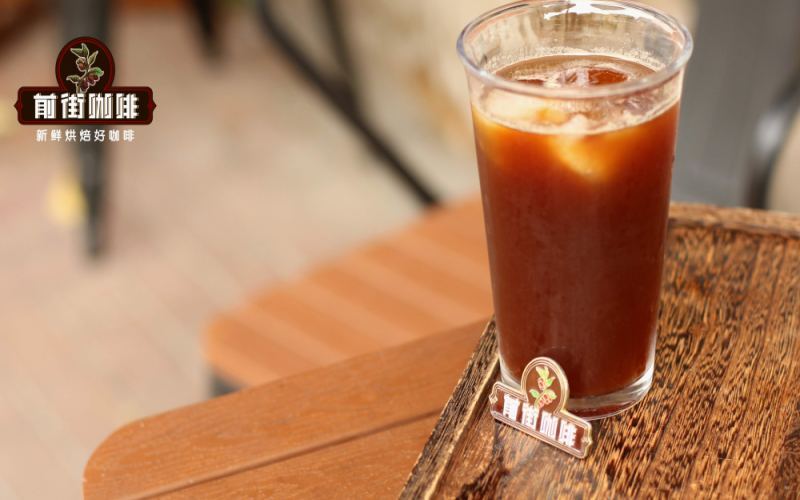
Cold Brew, Ice Drip, Nitro Coffee, and Molten Ice Americano: A Complete Analysis of the Methods and Taste Differences of Four Types of Iced Coffee
On a scorching summer day, a glass of iced coffee always perks you up. Besides the familiar iced Americano, cold brew, and iced drip, there is also a "flowing sand" iced Americano derived from the iced Americano, whose creative inspiration comes from nitro cold coffee. This article will compare these types of iced coffee in detail, from the beer-like mouthfeel of nitro coffee, to the dense foam production of the flowing sand iced Americano, and then to the extraction parameters of cold brew and iced drip—Front Street Coffee provides specific methods for all of them. If you want to know how to get a boozy taste without alcohol, or want to recreate a layered iced coffee at home, read on. [more…]
An Analysis of the Causes of Floral and Fruity Aromas in Light Roast Coffee and a Recommended Shopping List of Floral Coffee Beans
The flavor expression of coffee is closely related to the degree of roasting. Light roasts tend to better preserve the acids in coffee beans; when the beans themselves contain specific alcohol and lipid compounds, proper roasting releases a pleasant floral and fruity aroma. Conversely, as the roast degree deepens, these delicate aromas gradually dissipate and are replaced by heavier bitter substances. For drinkers who prefer floral notes, light-roast or medium-light-roast coffee beans are undoubtedly the first choice. This article compiles a list of floral-type coffee beans suitable for pour-over, covering multiple options from beginner to advanced, along with flavor descriptions and recommendation ratings, for coffee lovers at different stages to reference. [more…]

Cold Brew Coffee Beans Recommendation | What Are the Characteristics of Cold Brew Coffee? Which Coffee Bean Varieties Are Suitable for Cold Brew? Can Regular Coffee Grounds Be Used for Cold Brew?
Cold brew coffee is becoming more and more common nowadays. We are all so busy in our daily lives that we don't even have time to go buy a cup of coffee. In that case, cold brew coffee is the quickest way to get a cup of coffee right now. The fermented aroma and refreshing coolness of cold brew instantly make you feel at ease, and even in autumn and winter, it still makes you think of its taste. You only need to spend [more…]
The Truth About Four Cats Yunnan Small-Bean Coffee Quality: Comparison with Nescafé and Analysis of Common Misconceptions
Yunnan small-bean coffee is famous for its unique flavor—aromatic yet not harsh, rich yet not bitter. As a representative brand among them, Sizhimao is often compared with Nescafé in terms of authenticity and quality. This article will provide an in-depth analysis of the botanical characteristics and growing environment advantages of Sizhimao Yunnan small-bean coffee, explain the siphon brewing steps in detail, and clarify common misunderstandings about the "Four Cats Coffee scam." Whether you are a coffee enthusiast or a beginner just getting to know Yunnan beans, you can gain practical knowledge from it and learn about related recommendations from the Front Street brand. [more…]

Is Starbucks Cold Brew Healthy? Caffeine Content and Flavor Analysis Plus Front Street Coffee Cold Brew Brewing Guide
Cold brew coffee, with its smooth mouthfeel and refreshing flavor, has become a popular choice at Starbucks and independent coffee shops alike. It is extracted at low temperatures over a long period, resulting in low bitterness and prominent fruity acidity and floral notes, but its caffeine content and health effects have also drawn much attention. This article provides a detailed analysis of the definition, characteristics, and caffeine situation of cold brew coffee, and shares the bean list and creative drinking methods recommended by Front Street Coffee, including adding sparkling water, milk, alcohol, and more, to help you easily make a cup of cold brew to your liking at home. [more…]